
Leave Your Message
-
Contact Phone
-
 Contact Email
In the ever-changing world of personal protective gear, Polyvinyl Chloride Gloves really stand out—they’re pretty versatile and easy on the wallet, too. Dr. Emily Thompson, who's pretty much a go-to expert in workplace safety, highlights their importance: 'Polyvinyl Chloride Gloves offer reliable protection while staying flexible.' That quote really nails the way these gloves hit that sweet spot between toughness and dexterity.
You’ll see them everywhere—healthcare settings, food handling, even in industrial environments—because folks tend to prefer them. They resist some chemicals and can be a cheaper alternative to gloves made from nitrile, for example. But, and it’s a small but important thing to keep in mind, they’re not perfect. Over time, some of these gloves might lose their elasticity or become less strong, which could be a concern if you’re counting on them for the long haul.
Sure, market trends can influence what’s popular, but at the end of the day, it’s really about choosing what works best for your specific needs. Businesses need to consider things like how durable and comfy the gloves are, along with how much they cost. With so many options out there, understanding both the upsides and downsides of Polyvinyl Chloride Gloves helps make smarter choices—choices that improve safety and overall usability.

Polyvinyl chloride (PVC) gloves are versatile tools in various industries. Their affordability and effectiveness make them a popular choice. These gloves offer protection against chemicals and contaminants. In healthcare settings, they help maintain hygiene while handling patients.
Workers in food services rely on PVC gloves for food safety. These gloves prevent cross-contamination between raw and cooked foods.
In the manufacturing sector, PVC gloves are essential. They protect workers from exposure to hazardous substances. However, it is important to remember that PVC gloves can have limitations. They may not provide adequate protection against certain chemicals or high temperatures. Users should be aware of these factors before making a selection.
Moreover, the environmental impact of PVC gloves raises valid concerns. While they are disposable and convenient, they contribute to waste. Industries must consider sustainable alternatives. Balancing functionality and eco-friendliness is crucial for long-term use. By addressing these challenges, organizations can enhance safety while promoting responsibility.
Polyvinyl Chloride (PVC) gloves have become essential in various industries. They provide a range of benefits, particularly in medical and laboratory environments. A report by the International Journal of Medical Gloves highlights that 66% of healthcare professionals prefer PVC gloves for their effective barrier protection. This type of glove is latex-free, which appeals to those with latex allergies. Moreover, PVC gloves offer excellent resistance against a variety of chemicals and substances, making them suitable for diverse tasks in the medical field.
Key features of top-quality OEM Polyvinyl Chloride gloves include durability and comfort. With a thickness that typically ranges from 3 mils to 6 mils, these gloves balance flexibility and protection. Their unique design often allows for a better fit, reducing hand fatigue during extended use. Additionally, a study published in the Journal of Hospital Infection states that PVC gloves can provide up to 99% bacterial barrier protection when used properly. However, some experts point out that while they serve well in many situations, they might not be as puncture-resistant as nitrile or latex alternatives.
In terms of usability, PVC gloves are lightweight and offer a high level of tactile sensitivity. Many professionals rely on them for non-invasive procedures. Their affordability also makes them a go-to choice for organizations looking to manage costs. However, it’s crucial to regularly audit performance and quality. This ensures that the gloves continue to meet safety standards.
PVC gloves are increasingly popular in various industries due to their unique properties. Unlike nitrile and latex gloves,
Pvc Hand Gloves
are made from polyvinyl chloride, offering a cost-effective alternative.
According to recent industry reports, PVC gloves provide better resistance to certain chemicals and oils compared to latex. They are ideal for
food handling, cleaning, and light medical use.
However, while PVC gloves excel in specific areas, they also have limitations. One key concern is their lower flexibility and comfort compared to nitrile gloves.
Many users report that extended use of PVC hand gloves can lead to discomfort. Research shows that about 20% of users find these gloves less suitable for tasks requiring high dexterity.
Another consideration is the environmental impact. PVC production involves harmful chemicals that can be detrimental to health and the environment.
As companies shift towards sustainable practices, this is an ongoing debate in the industry. Users should weigh the benefits of cost against comfort
and environmental concerns when selecting PVC hand gloves for their needs.
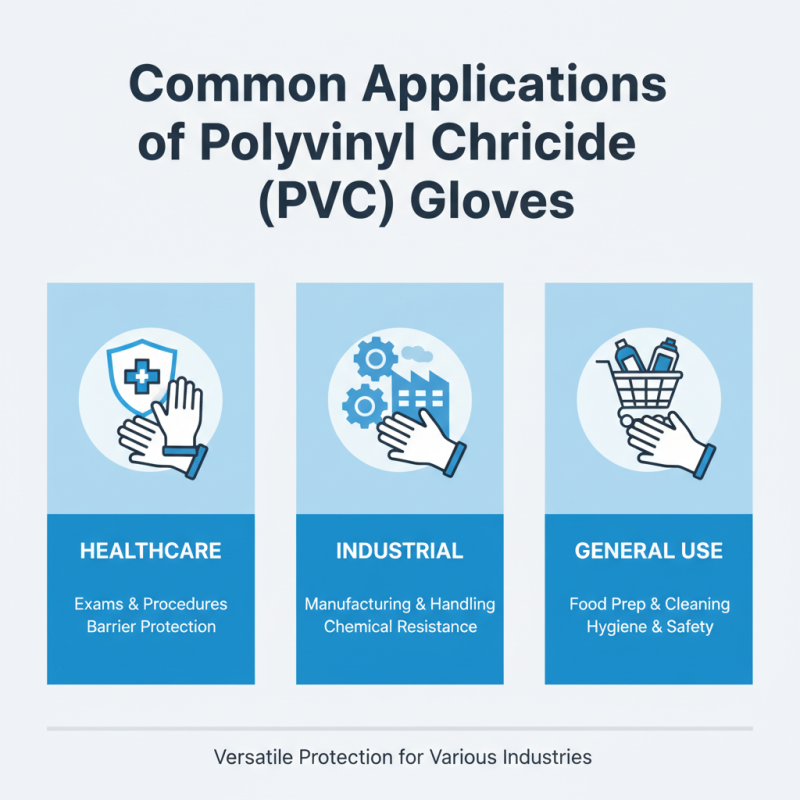
Polyvinyl chloride (PVC) gloves are widely used in various industries. Their versatility and protective qualities make them a popular choice for many applications. In healthcare, these gloves provide essential barrier protection. They are used during examinations and surgical procedures, helping to minimize the risk of contaminations.
In food service, PVC gloves play a crucial role in maintaining hygiene. Workers commonly use them while handling food to prevent cross-contamination. These gloves are often preferred because they are lightweight and easy to put on. However, their durability can sometimes be a concern. Over time, they may degrade with prolonged exposure to certain substances.
In industrial settings, PVC gloves are used to protect hands from chemicals and other hazardous materials. They are frequently used in manufacturing and cleaning processes. Despite their advantages, users should be cautious. PVC gloves may not withstand all chemicals, so proper training is necessary. Regular evaluation of usage parameters is essential to ensure safety.
When using PVC gloves, safety and health considerations are paramount. These gloves provide essential protection against chemicals and biological agents in various environments. However, they are not without limitations. It's important to ensure they fit properly to maintain dexterity and prevent accidental exposure. A loose fit could compromise their effectiveness.
Monitoring the condition of the gloves is crucial. Damage, such as tears or punctures, requires immediate replacement.
Additionally, user awareness is vital. PVC gloves can cause skin irritation for some individuals. Regular breaks can help reduce this risk.
Moreover, disposal protocols are essential. Improperly discarded gloves can harm the environment. Education on safe usage is necessary. Workers should be trained in recognizing the limits of PVC gloves. While they serve well in many situations, they cannot replace comprehensive safety measures.
In many workplaces, the use of
Exam Gloves Box becomes a part of routine checks. These boxes help ensure that gloves are readily available and in good condition. Regular inspections of these supplies can lead to safer practices.
Awareness and proper training will enhance overall safety while using PVC gloves.
Polyvinyl chloride (PVC) gloves are widely used for various applications. However, their environmental impact raises significant concerns. PVC is a plastic that does not biodegrade easily. When disposed of improperly, it contributes to landfill waste. This poses a challenge for both businesses and consumers who prioritize sustainability.
The disposal of PVC gloves often leads to environmental pollution. Incineration can release harmful chemicals. This result impacts air quality and human health. Recycling options for PVC products exist but are limited. Many recycling facilities do not process PVC effectively, leading to further waste issues. Transitioning to more eco-friendly alternatives could be a thoughtful move.
Awareness of these concerns is essential. Businesses must consider the lifecycle of their products. Consumers should be educated on proper disposal methods. Advocating for more sustainable materials can contribute to a healthier planet. Despite the benefits of PVC gloves in safety and utility, their environmental consequences require reflection. Balancing protection with responsibility must be a priority.
When selecting the right OEM supplier for PVC gloves, consider their experience in the industry. A seasoned supplier understands the nuances of material quality and manufacturing techniques. Look for suppliers that have a proven track record. They should provide detailed information about their production processes, ensuring you receive reliable products.
Certification is also crucial. Ensure the supplier meets relevant safety and quality standards. Ask for test results that confirm the gloves’ effectiveness. Reliable suppliers should share these details without hesitation. Avoid suppliers who cannot provide this information. It raises questions about their reliability.
Another factor is flexibility in order sizes. Some suppliers may only cater to large orders, which might not suit all businesses. A good supplier should offer solutions for various scale operations. This consideration can save costs and streamline your supply chain. Evaluate feedback from their clients as well. Their experiences will shed light on potential issues or strengths of the supplier.
: PVC gloves are used in healthcare, food services, and manufacturing. They protect workers from chemicals and contaminants.
Yes, they prevent cross-contamination between raw and cooked foods. They are essential for maintaining food hygiene.
Yes, they may not protect against certain chemicals or high temperatures. Users should be cautious and consider their specific needs.
PVC gloves contribute to waste. Industries need to weigh convenience against sustainability. Finding eco-friendly alternatives is important.
They are durable, comfortable, and offer excellent chemical resistance. Their thickness varies, balancing flexibility and protection.
Yes, PVC gloves are latex-free, making them safe for individuals with latex sensitivities.
Look for experienced suppliers who share production details. Ensure they follow safety and quality standards.
Yes, they are lightweight and provide good tactile sensitivity, ideal for non-invasive procedures.
Regular audits ensure gloves meet safety standards. This practice helps maintain protection levels over time.
Some suppliers only handle large orders. It's crucial to find suppliers who offer flexible options for different operational scales.
Polyvinyl Chloride Gloves, commonly known for their versatility and effectiveness, offer numerous benefits across various industries, including medical, food service, and cleaning. Their key features include excellent durability, resistance to chemical exposure, and cost-effectiveness, making them a popular choice for both disposable and reusable applications. A comparative analysis highlights that while PVC gloves provide a good barrier against contaminants, their performance can differ from other glove materials based on specific use cases.
In addition to their practical applications, safety and health considerations are paramount when using Polyvinyl Chloride Gloves, to ensure users are protected from potential hazards. Furthermore, understanding the environmental impact and proper disposal methods for these gloves is crucial for promoting sustainability. When choosing an OEM supplier for PVC gloves, considerations such as quality assurance and compliance with industry standards play an essential role in ensuring optimal performance and safety.